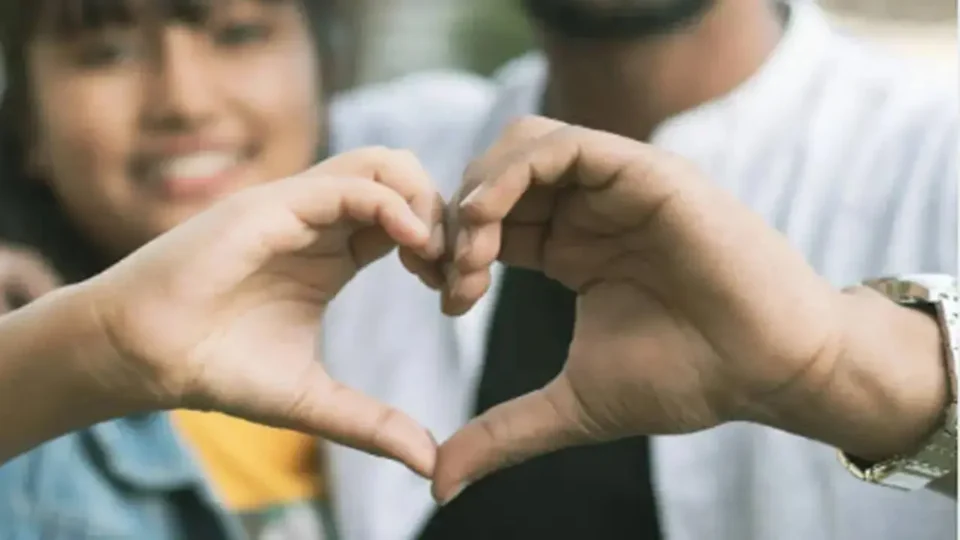
While Valentine`s Day may usually focus on large romantic gestures, many of today`s Indians define love differently; with an emphasis on being safe emotionally, having a steady and reliable partner, and experiencing companionship.
In a Rebounce study of 5,748 divorced, separated and widowed individuals aged 27 – 45 across urban and metro India, 49 per cent Indians said their priority when dating after a divorce is having the constant presence of emotional support and security, rather than over the top displays of affection.
Divorced Singles Choose Stability Over Intensity
According to Ravi Mittal, who is the founder and CEO of the application, “Our users have been through a great deal of loss and have learned painful lessons from them. Their understanding of love has developed over several life experiences, so they are not easily impressed by romantic gestures. Rather, they are more attracted to things like consistency, emotional reliability, and the intent behind the actions. That makes sense because large romantic gestures typically diminish over time; the other behaviours last your lifetime.”
Almost 90 per cent of the respondents reported that the emotional void left by the sudden outpouring of affection is not worth the trouble of being separated; while 39 per cent would prefer consistent communication, predictable behaviour, and emotional support to receive a significant gift for V-day.
Clarity Is the New Romantic Gesture
Ambiguity does not appeal to most individuals who have been given the opportunity to re-establish love. 44 per cent of women from 30–40 years of age expressed that clear communication regarding the intended direction of the relationship represents their ideal Valentine’s Day gift. Moreover, some think that smaller ongoing gestures of kindness hold more weight than ostentatious gifts.
There is an emotional gap in mid-life
This emotional shift does not pertain solely to the divorced single population. The Gleeden – IPSOS survey of over 1500 adults living in the top tier (Tier-1) cities and lower tier (Tier-2) cites of India illustrate the ongoing emotional gap present between Indians over the age of 40. The results of the study indicate that 43 per cent of individuals have admitted to committing some form of infidelity (whether emotional or physical); Tier-2 cities have been shown to have a higher degree of reported infidelity (46 per cent) than Tier-1 cities. Additionally, the study stated that 50 per cent of individuals surveyed stated that emotional infidelity is a more damaging form of betrayal than physical betrayal; therefore it is highly probable that emotional exclusivity in mid-life relationships is of significant value to individuals.
Finding home in our hearts
As we focus on our careers, children, and day-to-day life, many Indians between the ages of 40 and 60 report less conflict and more emotional dissatisfaction than those who are younger than them. Increasingly, our emotional connection with our partner is seen as the basis for a long-lasting and happy relationship.
According to Sybil Shiddell, country manager of Gleeden India “Our research shows that when someone over the age of 40 has an affair, it has nothing to do with wanting to have sex; the person is searching for someone to lend an ear and provide a positive emotional experience. So, when someone says they have cheated on their partner, they are not looking for another person to have sex with, but rather for someone who understands them and makes them feel valued and connected emotionally. Valentine’s Day is a reminder of what is missing from the relationship(s) instead of highlighting why the relationship(s) is/are not working.”
New meaning of love
People of all ages, including divorced singles learning to trust again, and midlife couples looking for companionship, are communicating the same message this Valentine’s Day. This Valentine’s Day was about more than flowers, extravagant proposals, or elaborate celebrations. It is about emotional support and being there for one another in a consistent way rather than only providing your partner with what she/he needs after a huge emotional rollercoaster; having an emotional connection rather than having lots of performance related activities; and providing your partner with emotional clarity instead of emotional confusion.
Indians reveal their top priority while dating after a divorce