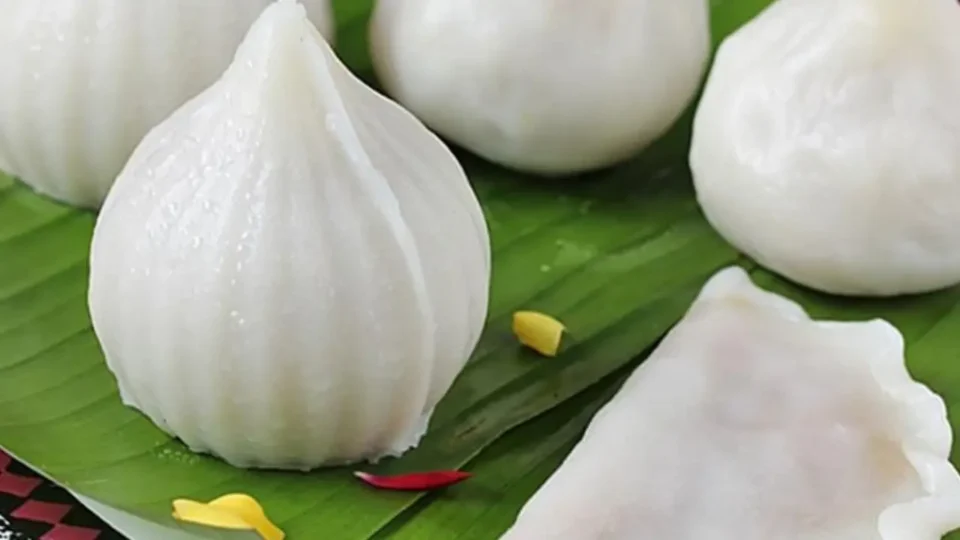
The vibrant 10-day celebration of Ganeshotsav starting with Ganesh Chaturthi brings unmatched joy, community gatherings, and an abundance of festive delicacies. At the heart of these feasts is the iconic ukadiche modak—steamed or deep-fried dumplings stuffed with coconut and jaggery, generously drizzled with pure ghee. While indulging in these treats is a cherished cultural tradition, the aftermath often leaves people grappling with a familiar set of symptoms: sluggishness, severe sugar crashes, bloating, and intense post-festive cravings.
As the celebrations wind down, many fall into the trap of panicking, resorting to extreme starvation diets, aggressive juice cleanses, or gruelling workout sessions to burn off the indulgence. To separate fact from fiction, nutrition experts Amreen Sheikh, chief dietitian at KIMS Hospitals, Thane, and Sonal Chandalia, clinical nutritionist at Jaslok Hospital and Research Centre, Mumbai, offer a realistic, science-backed approach to navigating the post-modak feasting recovery without punishing your body.
Navigating the sugar spike and the post-feast crash
The journey of a modak begins with its rich combination of refined flour, jaggery or sugar, and ghee. Consuming these high-glycaemic treats over several consecutive days inevitably puts extra demand on the body’s metabolic machinery. When simple carbohydrates enter the bloodstream, blood glucose levels surge, prompting the pancreas to release insulin to transport that glucose into cells for energy or storage.
However, the dramatic energy drop that follows a festive meal is often misunderstood. Sheikh explains, “A few days of festive eating will not suddenly render a healthy individual insulin-resistant, though repeatedly eating large portions of sweets temporarily increases the demand on the body’s glucose-regulating system.” She notes that the ‘crash’ people feel afterwards—characterised by sleepiness, fatigue, low energy, and sudden hunger—is frequently linked to this rapid rise and subsequent fall in blood glucose, alongside factors like general overeating and disrupted sleep schedules.
To break this cycle, the solution is not to skip the next meal out of guilt. Sheikh stresses, “Returning to regular, balanced meals containing adequate protein and dietary fibre, while cutting out added sugars, helps stabilise blood glucose levels. Additionally, taking a short, relaxed walk after meals can significantly improve glucose control and prevent the vicious cycle of overindulgence followed by severe restriction.”
Demystifying ghee and deep-fried crustaceans
A common misconception surrounding festive sweets is that adding ghee or deep-frying somehow ‘neutralises’ the sugar spike because fat slows down digestion. “While it is true that dietary fat delays gastric emptying—slowing the rate at which carbohydrates enter the small intestine—leveraging this as a health strategy is a flawed approach,” says Sheikh.
She points out that fat is not inherently bad, and ghee consumed in moderation can comfortably fit into a balanced diet. However, she cautions against using fat as a tool to manage sugar absorption.
“A fried, sugar-rich modak remains exceptionally calorie-dense. While the presence of fat alters the speed of glucose absorption, it does not cancel out the overall carbohydrate or calorie load. Therefore, using ghee or frying to control a sugar spike is inadvisable, portion control and frequency remain the true determinants of metabolic health,” the city-based dietitian recommends.
The initial 48-hour reset: simple routine over punishment
The two days immediately following a festival are critical for setting the tone for recovery. Rather than viewing this period as a time for penance, it should be treated as a gentle return to normalcy.
Sheikh advises treating the first 48 hours as a return to routine rather than a punishment period. “There is no requirement to skip meals or subsist solely on raw salads. Instead, focus on simple, well-balanced meals comprising fresh vegetables, pulses, whole grains, and lean protein. Choosing fresh, whole foods over processed or packaged snacks, keeping salt intake moderate, and avoiding further sweets allows the digestive system to settle naturally.”
Crucially, Sheikh highlights that much of the sudden weight increase observed on the scale after a festival consists of water retention and stored glycogen rather than pure body fat. Understanding this distinction prevents unnecessary panic and deters people from adopting unsustainable diets.
The hidden dangers of the ‘juice cleanse’ trap
In an effort to undo ten days of indulgence, many turn to extreme liquid cleanses or severe calorie restriction. Nutritionists strongly advise against this approach, warning that it can actively harm gut health and metabolic stability.
Sheikh clarifies, “The human body does not require a commercial juice cleanse to ‘detox’ after a festival, as the liver and kidneys continuously perform natural metabolic and waste-removal functions. A juice-only or severely low-calorie regimen deprives the body of essential nutrients, protein, and dietary fibre.”
From a gut-health perspective, removing whole foods reduces fibre intake, which is vital for maintaining healthy bowel motility and nourishing beneficial gut microbes. Furthermore, extreme caloric restriction triggers intense hunger and fatigue, making subsequent binge eating far more likely. Sheikh emphasises that consistency after celebrations is far more beneficial than immediate self-punishment.
Tackling water retention, hydration, and electrolytes
“The sensation of feeling ‘puffy’ or heavy after days of festive dining is rarely just fat accumulation. The influx of rich, deep-fried savouries and sweet delicacies leads to significant sodium and fluid retention,” says Chandalia.
She notes that post-festival weight gain is a combination of actual fat gain alongside sodium and water retention, particularly if large portions of deep-fried, salty savouries were consumed alongside sweets. To counter this fluid retention, the city-based nutritionist recommends specific hydrating fluids and gentle home remedies. “Consuming fresh lemon water, or water infused with cardamom and cumin seeds (jeera), helps balance fluid levels. Additionally, home-brewed green tea prepared with lemongrass and cardamom serves as an effective natural beverage to help flush excess sodium from the system.”
Movement versus rest: Managing cortisol and glucose
When feeling sluggish or overloaded with sugar, the instinct for many is to drag themselves through an intense, high-intensity workout to ‘burn off’ the calories. Experts warn that this can backfire on a system that is already metabolically stressed.
Chandalia advises prioritising light walking and adequate rest over forced, high-intensity exercise when experiencing a sugar rush. She explains, “High sugar intake combined with festive stress can trigger elevated cortisol levels alongside high blood glucose. Subjecting the body to strenuous physical stress during this state adds unnecessary strain and can aggravate glycaemic imbalance further. Instead of attempting to aggressively burn off calories, light movement and proper sleep help lower cortisol levels and restore physiological equilibrium naturally.”
Reining in persistent post-festive sugar cravings
After ten days of continuous exposure to hyper-palatable, sweet, and fatty foods, the brain’s reward pathways become accustomed to regular sugar hits. Transitioning back to a standard workweek often brings intense cravings.
To curb these lingering cravings, Chandalia suggests replacing fried snacks and refined sweets with whole fruits and raw nuts, which satisfy the palate while providing essential nutrients and sustained energy. “Simple options like lemon water, a light skimmed-milk-based kheer, or a single piece of dried fruit like dates (khajur) or dried figs (anjeer) can satisfy a sweet tooth without triggering dramatic blood sugar spikes,” she says.
Rebuilding the gut microbiome
A prolonged intake of refined flour, high sugar, and deep-fried foods noticeably alters the delicate balance of microorganisms living in the digestive tract.
Chandalia confirms that a 10-day streak of heavy sugar and deep-fried food adversely affects the gut microbiome, creating an environment where non-beneficial bacteria thrive at the expense of microbes essential for proper digestion and nutrient absorption. She advises, “To restore this balance rapidly, she recommends incorporating fibre-rich foods alongside traditional fermented foods such as fresh curd and buttermilk. These foods nourish beneficial bacteria and help restore digestive harmony.”
Overcoming the ‘all-or-nothing’ mindset
Perhaps the greatest obstacle to post-festive recovery is psychological: the guilt of overindulgence often leads to an all-or-nothing mentality, driving people either to extreme restriction or complete abandonment of healthy habits.
Chandalia encourages individuals to overcome guilt by adjusting their approach to meal planning rather than punishing themselves. “Focus on making meals nutrient-dense rather than overly calorie-dense to compensate for richer festive dishes. Maintaining regular, moderate physical activity without over-exercising, combined with high-fibre and antioxidant-rich meals, ensures that metabolism and digestion operate at their peak. Celebrating rich cultural traditions should be enjoyed without guilt, knowing that a steady, balanced routine is all it takes to reset the body,” she concludes.
The post-modak detox: How to reset your body after 10 days of festive feasting