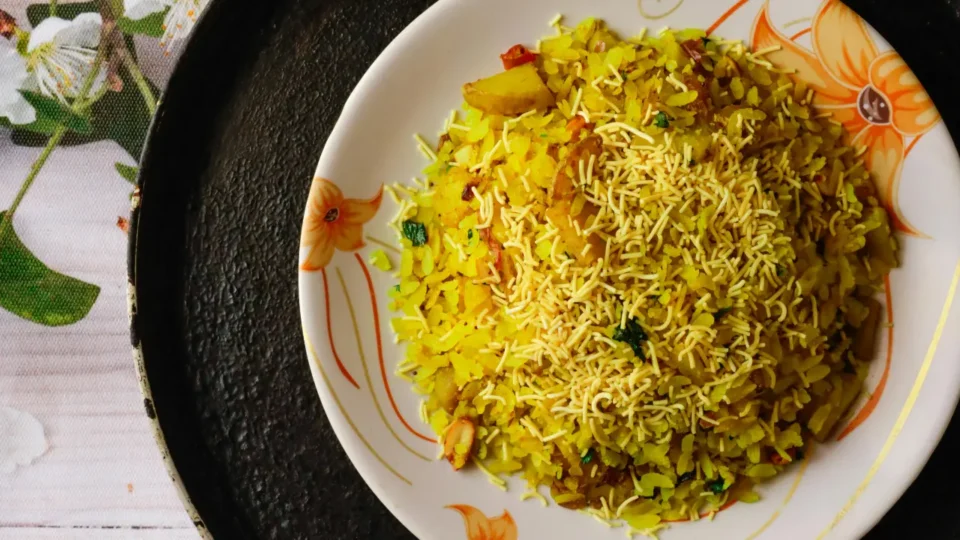
A plate of poha, toast with tea, or a bowl of cereal all feel like a proper meal, but most people end up loading up on protein much later in the day. That is why breakfast often ends up being poha, bread, cereal, or paratha with barely any protein in sight.
“A lot of people get most of their protein at lunch or dinner and start the day with a breakfast that’s mostly carbs. I’d rather see protein spread out through the day, starting right from breakfast,” says Eshanka Wahi, Dubai and Delhi-based culinary nutrition and holistic wellness coach and founder of Eat Clean With Eshanka.
As we observe National Nutrition Week from September 1 to 7, it is an ideal moment to look beyond calorie counting and evaluate the quality of our first meal. Whether you follow a plant-based lifestyle, manage underlying health conditions, or simply rush through busy mornings, this guide explores practical ways to spot protein gaps, leverage smart food pairings for steady energy, and effortlessly elevate your morning plate.
Spotting the warning signs and understanding protein gaps
Feeling tired or hungry before lunch does not automatically mean breakfast was low in protein. Bad sleep, stress, dehydration, or meal portion size also play a role. “Still, paying attention to patterns is worthy. If someone’s eating breakfast and getting hungry again really fast, or constantly reaching for biscuits or sweets before lunch, that’s when I’d look at the whole meal and ask if it has enough protein and fibre,” says Wahi.
Going without enough protein long-term can lead to muscle loss, weakness, and slower recovery—though those symptoms can stem from plenty of other causes, so they should not be self-diagnosed as a protein problem. “A good place to start is just looking at your plate. Ask yourself whether there is a real protein source present, or if your breakfast is predominantly carbohydrates. Tea biscuits, toast with jam, and sugary cereal provide quick energy rather than balanced nutrition, making the addition of a protein source essential for sustained stability,” she adds.
Dr Pavithra N. Raj, chief dietician at Manipal Hospital Yeshwanthpur, notes that a common misconception is that a high-protein breakfast means exclusively eating eggs, chicken, red meat, or protein shakes every day. “In reality, traditional plant and dairy options such as dals, pulses, curd, paneer, milk, soy products, sprouts, nuts, and seeds, all contribute significantly. Another challenge is that many traditional breakfast foods like idli, dosa, poha, upma, or bread are inherently carbohydrate-heavy. They are not bad foods, but the meal becomes protein-light when eaten without an adequate protein accompaniment. Furthermore, people frequently underestimate portions, consuming an egg or a small amount of curd that yields only 8 to 12 grams of protein while assuming the requirement has been fully met,” he explains.
Establishing your morning protein targets and timing
How much protein you need depends on your body size, age, and overall diet. For many healthy adults, around 20 to 30 grams at breakfast is considered a practical target to aim for. “The point isn’t to turn breakfast into a numbers game. Just look at the whole plate—try to have protein, fibre, a good carb, and some healthy fat,” Wahi explains.
Dr Raj expands on this, explaining that replacing refined carbohydrates with protein while retaining fibre-rich carbohydrates boosts satiety and smooths the post-meal glucose response. “For instance, two eggs with vegetables and a small portion of whole-grain toast create a drastically different metabolic meal compared to toast or a large bowl of sugary cereal alone,” he says. Protein requirements ultimately depend on body weight, age, activity level, and health status, meaning the goal should always be an adequate, balanced intake rather than an unnecessarily extreme high-protein diet.
Regarding the ideal timing of consumption, there is no strong evidence indicating that protein must be consumed within a strict number of minutes after waking to “switch off” cortisol or optimise metabolism. “Cortisol naturally rises around waking as part of the body’s circadian rhythm, independent of whether someone has eaten breakfast. However, eating a protein-rich, balanced first meal in line with your natural routine helps promote satiety through hormones such as GLP-1 and PYY, assisting with morning and afternoon appetite control. Rather than rushing to eat immediately upon waking, the focus should be on ensuring your first substantial meal is balanced whenever your morning schedule allows it,” he elaborates.
Targeted plant-based combinations and amino acid profiles
Plant-based eaters do not need to rely on just one food for their protein. Wahi suggests mixing different plant foods so the meal covers a wider range of amino acids—the building blocks your body needs.
Food pairing: Pulses and grains go well together. You don’t have to go looking for one perfect plant protein. She advices to combine the foods you’re probably already eating.
Practical ideas: Try moong dal chilla with a tofu filling, idli with sambar, besan chilla with soy yoghurt, or poha with peas and roasted soy nuts. Upgrading oats: Instead of cooking oats in plain water and topping them with fruit, Wahi suggests using soy milk and adding nuts and seeds.
Tailoring morning protein for underlying health conditions
Insulin resistance and type 2 diabetes”For people managing insulin resistance or type 2 diabetes, they should pair carbs with protein and fibre rather than building breakfast around refined carbs alone,” Wahi suggests. For instance, instead of plain poha, add some peas and peanuts and have curd on the side. Pair dosa with sambar, or have whole-grain toast with eggs or tofu. Adding protein to meals with carbs can lower your blood sugar response, though the exact impact depends on the food type, amount, and individual health status.
Kidney concernsKidney concerns require significantly more caution. Wahi advises against ramping up protein without first understanding your kidney function and overall health picture. “Someone with kidney disease shouldn’t just jump on a high-protein diet because someone said that protein is healthy,” Wahi notes. “This needs proper care and consultation with a doctor or dietitian,” Dr Raj reinforces this precaution, emphasising that individuals with kidney disease should never increase protein intake on their own and must seek guidance exclusively from healthcare professionals.
The scientific mechanism of blood sugar blunting
When you eat carbs, your body breaks them down into glucose and releases it into your bloodstream. Adding protein to the same meal alters digestion and hormones tied to insulin. It also slows down how fast your stomach empties, which delays the rate at which sugar hits your bloodstream.
Wahi notes that you do not need to understand all the science to apply this in your kitchen, “Don’t think of carbs as something to cut out. Think about what you can eat alongside them.” Poha with peas, peanuts, tofu, or curd, fortified oats with soy milk, seeds, and nuts, or toast with eggs or tofu all demonstrate this principle in action. This small adjustment makes a carbohydrate-heavy breakfast far more balanced without requiring you to give up your favourite foods.
Simple breakfast swaps and grab-and-go options
Starting small is more sustainable than entirely overhauling your morning routine believes Wahi. For busy schedules lacking time for elaborate cooking, she shares a list of fast, grab-and-go whole-food protein sources that require minimal to no preparation:
1. Boiled eggs: Easy to prepare in advance and carry on the go.2. Unsweetened Greek yoghurt or thick curd: Can be quickly paired with fresh fruit, nuts, or seeds.3. Roasted chana: Convenient, inexpensive, and requires zero cooking at the time of consumption.4. Paneer or tofu cubes: Can be portioned in advance and paired with fruit or whole-grain toast.5. Nut butter and oatmeal: Stir a spoonful of natural peanut butter or almond butter into a warm bowl of high-protein oats, or pair milk with a vegetable sandwich.
To instantly double your morning protein intake through familiar meals, try these simple swaps:1. Poha upgrade: If you usually have plain poha, add peas, soy chunks, peanuts, and a side bowl of curd.2. Toast pairing: For toast and jam, add eggs or tofu to the plate.3. Oat enhancement: Cook oats in soy milk instead of water and mix in nuts and seeds.4. Traditional adjustments: Switch idli and chutney to idli, sambar, and curd; swap plain poha or upma for versions loaded with sprouts, peanuts, and curd; or pair rice dosa with green gram dosa, oats dosa, and tomato chutney.
Breakfast does not need to become a complicated high-protein meal. The foods we already eat serve as a great base; the real difference comes from what we add to them. “Don’t be scared of carbs, or get obsessed with protein, instead try to opt for a balanced meal. If your breakfast is mostly carbs, ask yourself what protein you can add,” says Wahi. Small additions—such as curd with poha, sambar with dosa, tofu with chilla, or soy milk with oats—make a simple breakfast much more balanced.
National Nutrition Week 2026: Are you eating enough protein for breakfast?