Diwali is called the ‘Festival of Lights’ because of how every neighbourhood is lit up with diyas, firecrackers and lanterns. However, there is no Indian festival that is complete without good food, and while there are many popular dishes, there are an equal number of lesser-known and traditional dishes that people from different parts of the country still don’t know about yet.
Indian chefs say there is a lot you can explore if you want to add a unique touch to your celebrations. While you celebrate traditional dishes from your region, there are other dishes that you can also make like the Kashmiri Nadru Tikki and Adhi Rasam from Tamil Nadu.
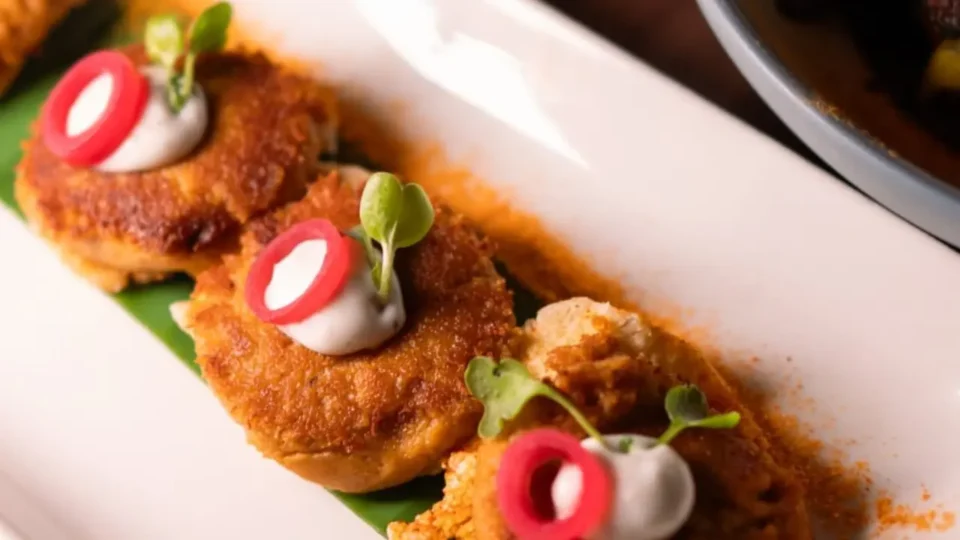
Nadru Tikki
For Diwali, chef Utkarsh Srivastava, who is the executive chef at The Silver Train in Mumbai’s Lower Parel neighborhood says you can make Nadru Tikki, which he says is a taste of Kashmiri heritage. He explains, “Rooted in the rich culinary traditions of Kashmir, Nadru Tikki celebrates the humble lotus stem, an ingredient prized for its delicate flavour and distinctive texture. Crisp on the outside and tender within, this lesser-known regional delicacy offers an elegant alternative to conventional festive appetisers.” Srivastava says it is perfect for Diwali gatherings because the Nadru Tikki can bring a distinctive Kashmiri dish to the festive table that is not only not sweet but also a good vegetarian delicacy.
Preparation time: 20 minutesCooking time: 30 minutesServes: 4 (8 small tikkis)
Ingredients
For the Nadru Tikki300 g lotus stem (nadru), cleaned and peeled75 g boiled potato, mashed1 tbsp roasted gram flour (besan)2 tbsp Brown Onion paste1 tsp ginger paste2 green chillies paste1/2 tsp Kashmiri red chilli powder1/2 tsp roasted cumin powder1/2 tsp fennel powder1/4 tsp dry ginger powder (saunth)2 tbsp fresh coriander, finely choppedSalt to taste2–3 tbsp ghee or oil for shallow-frying
For the Saffron Yoghurt100 g thick hung curd5–6 strands saffron, soaked in 1 tsp warm waterA pinch of roasted cumin powderSalt to taste
Method1. Prepare the lotus stem: Wash the lotus stem thoroughly, ensuring all mud is removed from its internal channels. Peel, cut into pieces and boil in salted water until tender. Drain well and allow to cool.2. Prepare the mixture: Finely chop or coarsely mash the cooked lotus stem, retaining some texture. Combine with mashed potato, roasted gram flour, brown onion paste, ginger, green chillies, Kashmiri chilli powder, cumin, fennel powder, dry ginger powder, coriander and salt.3. Shape the tikkis: Divide the mixture into eight equal portions and shape into small, round patties. Refrigerate for 10–15 minutes to help them hold their shape.4. Cook until golden: Heat ghee or oil in a heavy-bottomed pan. Shallow-fry the tikkis over medium heat for approximately 3–4 minutes on each side, until crisp and golden brown.5. Prepare the saffron yoghurt: Whisk the hung curd until smooth. Fold in the saffron infusion, roasted cumin powder and salt.6. Plate and serve: Spoon a little saffron yoghurt onto each serving plate and place the hot Nadru Tikki on top. Garnish with fresh coriander or a few finely chopped toasted walnuts, if desired.
Adhirasam
Chef Yatendra Rawat, who is the executive chef at Ozen Life Maadhoo in Maldives says you can make Adhirasam. He explains, “It is an age-old festive delicacy traditionally prepared during Diwali. Made with freshly ground rice flour and jaggery syrup, flavoured with cardamom and sometimes dry ginger, it is shaped into small discs and deep-fried until golden brown.
Its beauty lies in its contrasting textures, a lightly crisp exterior with a soft, chewy centre. The dough is traditionally rested or fermented before frying, making the preparation a test of patience and culinary skill. It is a sweet deeply associated with family traditions and festive celebrations in Tamil households.”
Ingredients 250 grams Rice FlourAs required Water (for soaking)
Jaggery Syrup 200 gm Jaggery 100 ml Water 1/2 tsp Cardamom powder1/4 tsp Dry ginger powder (optional) 1 pinch salt
Finishing and frying 1 tsp Sesame seeds (optional)1 tsp GheeOil for deep frying
Method:
Prepare the Rice Flour1. Wash and soak the raw rice for 2–3 hours.2. Drain thoroughly and spread on a clean cloth for approximately 30 minutes, retaining slight moisture.3. Grind into a fine powder and sieve to obtain smooth, lump-free rice flour.
Prepare the jaggery syrup1. Combine jaggery and water in a saucepan and heat until completely dissolved.2. Strain to remove impurities.3. Return the syrup to the saucepan and cook until it reaches a soft-ball consistency (approximately 112–115 degrees Celsius).4. Add cardamom powder, dry ginger powder and a pinch of salt.
Prepare the dough1. Gradually incorporate the hot jaggery syrup into the rice flour, mixing continuously.2. Add ghee and sesame seeds.3. Mix to form a soft, slightly sticky and pliable dough.4. Cover and rest for 12–24 hours in a cool place to develop flavour and texture.
Shape and fry1. Divide the rested dough into 15–18 equal portions.2. Grease a banana leaf or parchment paper lightly with oil.3. Flatten each portion into a round disc approximately 5–6 cm in diameter.4. Heat oil to 160–170 degrees Celsius.5. Deep-fry the discs individually until golden brown on both sides.6. Remove and gently press between two flat ladles to drain excess oil.7. Serve warm or at room temperature.
Chef’s Note: The consistency of the jaggery syrup is the most critical factor. Undercooked syrup results in excessive oil absorption, while overcooked syrup produces a hard and brittle Adhirasam.
Maharashtrian Patolya
Among the many regional dishes that you can make to celebrate Diwali, Ritesh Barve, chef de cuisine at The Westin Mumbai Powai Lake, says you can make the Patolya, a humble dish that is made along the western coast for many different kinds of festivals. He explains, “The patolya is a lesser-known Konkan delicacy made with rice flour, fresh coconut and jaggery, delicately steamed in turmeric leaves. Rooted in traditional Maharashtrian kitchens, the dish is cherished for its distinctive aroma and nostalgic connection to festive home cooking.”
Ingredients
For the rice covering250 g Fine rice flour350–400 ml, approximately Water10 g Ghee2 g Salt12–15, washed and dried Fresh turmeric leavesA little, for greasing the leaves Ghee
For the coconut-jaggery filling250 gm Freshly grated coconut150 g (adjust to taste and jaggery sweetness) Grated jaggery3 gm Green cardamom powder1 gm Nutmeg powder10 gm Poppy seeds10 gm Sesame seeds20 gm Cashew nuts, chopped10 gm Ghee
Method1. Prepare the filling: Heat the ghee in a heavy-bottomed pan. Add the poppy seeds and sesame seeds and toast briefly. Add the grated coconut and cook gently for 1–2 minutes. Add the jaggery and stir until it melts and combines with the coconut. Mix in the cashews, cardamom and nutmeg. Cook until the mixture is cohesive and moist but not runny. Remove from the heat and cool completely.2. Prepare the rice dough: Bring 350 ml water to a boil with the salt and ghee. Lower the heat and add the rice flour gradually, stirring continuously to avoid lumps. Cover and cook briefly, then turn off the heat. When cool enough to handle, knead until smooth and pliable. Add a little of the remaining water if needed; the dough should spread easily without becoming runny.3. Prepare the turmeric leaves: Wash the leaves thoroughly and pat them dry. Trim tough stems if necessary. Lightly grease the inner surface of each leaf with ghee.4. Fill and fold: Divide the rice dough into 12–15 portions. Spread a thin, even layer over the inner side of each leaf. Place a line of cooled coconut-jaggery filling along the centre or one side. Fold the leaf over to enclose the filling and gently press the edges together.5. Steam: Arrange the parcels in a steamer in a single layer, leaving room for steam to circulate. Steam for approximately 10–15 minutes, depending on size and thickness, until the rice layer is cooked and set. Rest briefly before handling.6. Serve: Serve warm, either in the turmeric leaf for guests to open at the table or carefully unwrapped. A little warm ghee may be offered alongside.
Diwali 2026: Follow these recipes to make lesser-known traditional dishes