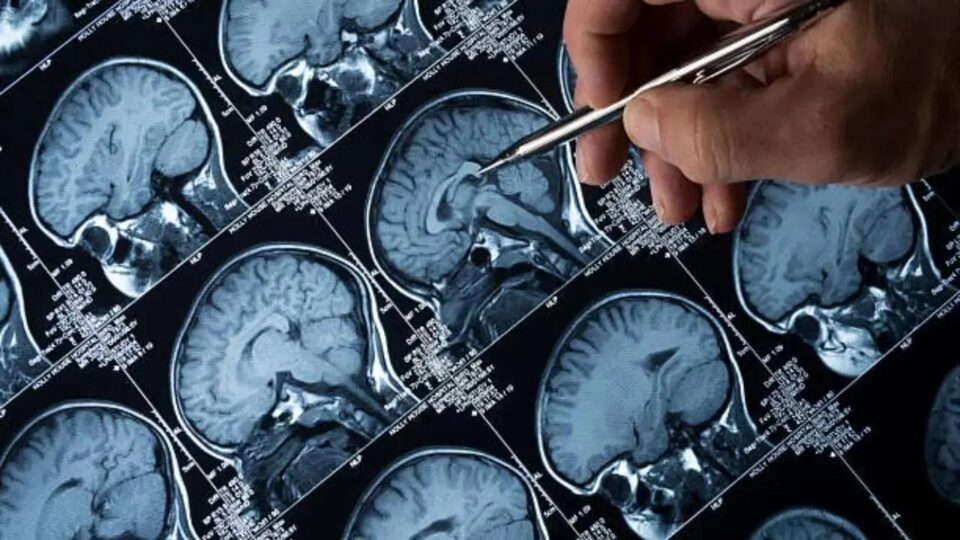
A woman in her 60s who was suffering from progressive Parkinson’s Disease for several years has shown significant improvement after advanced brain surgery.
Mumbai doctors gave her hope after conducting a Deep Brain Stimulation (DBS) surgery. It was by Dr Manish Baldia at Wockhardt Hospitals in Mumbai Central, following initial diagnosis and treatment by Dr Prashant Makhija, consultant neurologist.
The patient initially presented with gradual slowing of movements, difficulty in walking, reduced speech clarity, and tremors in her limbs.
Like many patients, she initially attributed these symptoms to ageing and consulted multiple physicians before being evaluated for a neurological condition.
Upon consultation with Dr Makhija, she was diagnosed with Parkinson’s disease and started on medication, which led to noticeable improvement in her symptoms. She continued treatment and regular follow-ups over the years.
However, as the disease progressed, her dependence on medication increased, leading to higher doses and associated side effects — a common challenge seen in long-term management of Parkinson’s Disease.
“At advanced stages, patients often experience fluctuations in response to medication and may develop side effects. This is when we consider advanced therapies such as Deep Brain Stimulation,” explained Dr Makhija.
She was counselled about Deep Brain Stimulation (DBS), a procedure that helps regulate abnormal brain signals responsible for movement-related symptoms. After careful consideration and detailed discussions, she was referred for surgical evaluation.
Following assessment, the patient underwent Deep Brain Stimulation (DBS) surgery by Dr Baldia, during which electrodes were implanted in targeted areas of the brain and connected to a programmable device that delivers controlled electrical stimulation.
“The objective of DBS is to improve symptom control while reducing the need for high-dose medications, thereby enhancing the patient’s overall quality of life,” said Dr Baldia.
Post-surgery, the device was carefully programmed and fine-tuned to achieve optimal results. The patient showed marked improvement in her symptoms, with better movement control and a significant reduction in medication requirement.
She is now able to carry out her daily activities with greater ease and independence.
With Parkinson’s disease being a progressive neurological disorder, experts highlight that while medications remain the first line of treatment, advanced options like DBS can offer substantial benefit in selected patients when symptoms become difficult to manage.
Mumbai docs revive independence in woman suffering from Parkinson`s Disease